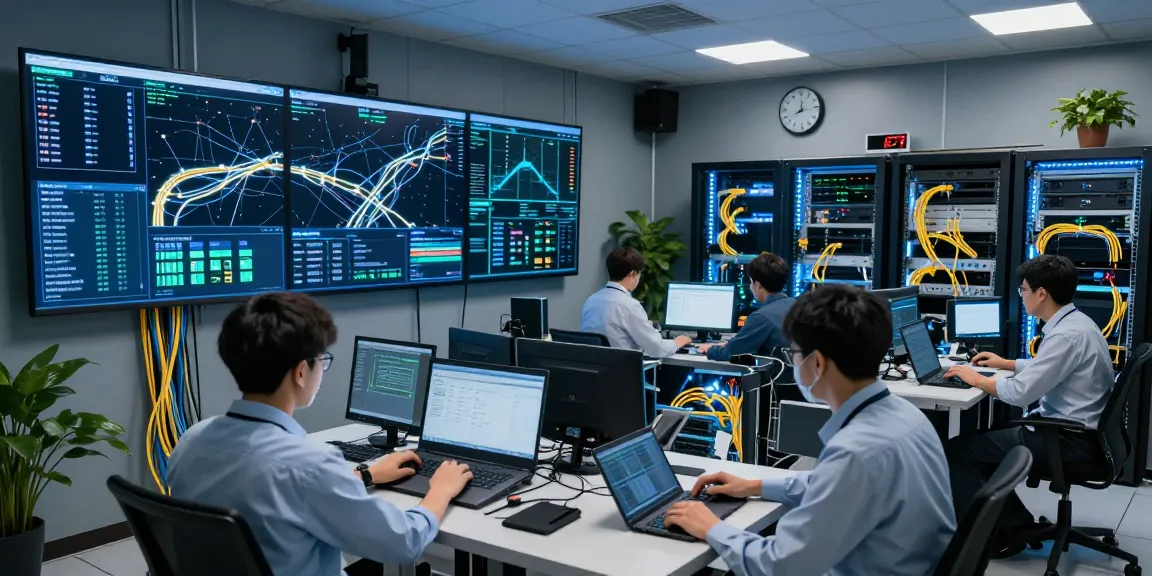
- Understanding Fiber Optic Fiber: The Backbone of Modern Connectivity
- Streamlining Procurement with Fiber Optic Solutions
- Certifications That Matter in Fiber Optic Solutions
- Optimizing Network Operations: Technical Performance of Fiber Optic Fiber
- Future Trends in Fiber Optic Technology for 2026 and Beyond
Understanding Fiber Optic Fiber: The Backbone of Modern Connectivity
In an era defined by rapid technological advancement, fiber optic fiber has emerged as the cornerstone of contemporary communication infrastructure. As data demands escalate across various sectors—from telecommunications to data centers—fiber optic technology plays a pivotal role in ensuring high-speed, reliable connectivity. With applications ranging from everyday consumer internet to complex AI-driven networks, understanding the fundamentals and benefits of fiber optic fiber is crucial for professionals navigating this dynamic landscape.
What is Fiber Optic Fiber?
Fiber optic fiber consists of strands of glass or plastic fibers that transmit data as light signals. The core of the fiber, where the light travels, is surrounded by a cladding layer that reflects light back into the core, allowing for efficient signal transmission over long distances. This technology is not only pivotal in telecommunications but also facilitates various applications including medical instruments, automotive sensors, and industrial equipment.
The Role of Fiber Optics in High-Speed Networks
Fiber optics have revolutionized the way data travels across networks. They facilitate the transmission of vast amounts of information at speeds that copper cables cannot match. The ability to carry signals over long distances without significant loss or interference makes fiber optics ideal for backbone infrastructures and international communications, setting a standard for high-speed connectivity.
Key Benefits of Utilizing Fiber Optic Fiber
- Higher Bandwidth: Fiber optic cables can handle larger amounts of data at once, providing superior bandwidth compared to traditional cables.
- Greater Distance: Signals can travel over much longer distances without degradation, reducing the need for repeaters.
- Immunity to Electromagnetic Interference: Unlike copper cables, fiber optics are not affected by electromagnetic interference, securing signal integrity.
- Future-Proof Technology: As data needs grow, fiber optic technology evolves to offer higher capacity, ensuring longevity and reliability.
Streamlining Procurement with Fiber Optic Solutions
Streamlined procurement processes are essential for organizations looking to optimize their operations in a competitive market. However, the challenges associated with procuring fiber optic fiber can often hinder efficiency. Organizations frequently face issues such as fluctuating prices, supply chain disruptions, and the complexities of vendor management.
Challenges in Procuring Fiber Optic Fiber
Procurement of fiber optic components involves navigating a complex landscape of suppliers, quality assurance, and pricing volatility. Organizations may face difficulty in maintaining stock levels due to unpredictable demand, which can lead to project delays. Additionally, ensuring compliance with industry standards and certifications adds another layer of complexity to the procurement process.
How FiberElectronics Simplifies Procurement
FiberElectronics addresses these procurement challenges through a tailored approach to customer needs. By offering a Preferred Customer Pricing Program (PCPP), FiberElectronics provides customers with locked-in pricing based on annual run rates. This approach not only alleviates price fluctuations but also ensures that clients have predictable costs, allowing for better budgeting and project planning.
Leveraging the Preferred Customer Pricing Program
The PCPP helps organizations optimize their procurement process by managing inventory levels and providing zero-cost solutions. This aspect of the program includes services such as immediate shipping capabilities and streamlined purchase order processes, which eliminate the need for extended request for quotation (RFQ) phases. These efficiencies translate into reduced lead times, faster project execution, and enhanced operational freedom.
Certifications That Matter in Fiber Optic Solutions
In the fiber optic industry, certifications are not merely bureaucratic formalities; they are vital indicators of quality and reliability. Companies that prioritize compliance gain a competitive edge, building stronger trust with their clients and differentiating themselves in a crowded market.
Importance of Compliance (ISO 9001, TL 9000, RoHS)
ISO 9001 and TL 9000 certifications demonstrate a company’s commitment to quality management systems, ensuring continuous improvement in processes and customer satisfaction. RoHS compliance signifies adherence to environmental standards, addressing the growing demand for sustainable practices in technology. Together, these certifications assure customers that their fiber optic solutions meet rigorous global benchmarks.
How Certifications Build Trust with Clients
Clients are more likely to engage with suppliers who possess industry-recognized certifications. These accreditations not only validate the quality of products but also enhance the credibility of the supplier. In sensitive sectors such as telecommunications, where reliability is paramount, certifications serve as a crucial factor influencing procurement decisions.
Success Stories Highlighting Certified Quality
Numerous case studies underscore the importance of certified quality in fiber optic solutions. For instance, partnerships with major entities like NYSE and Facebook illustrate how adherence to strict quality standards translates to successful project outcomes. These success stories serve as powerful testimonials to the efficacy of certified products, reinforcing the importance of compliance in business operations.
Optimizing Network Operations: Technical Performance of Fiber Optic Fiber
As organizations continue to rely heavily on data-intensive applications, the technical performance of fiber optic networks becomes increasingly crucial. Optimizing these networks is essential for ensuring reliability and efficiency across operations.
Key Performance Metrics for Fiber Optic Networks
- Latency: The time it takes for data to travel from source to destination; lower latency is essential for real-time applications.
- Throughput: The amount of data successfully transmitted over a network in a given timeframe, measured in bits per second (bps).
- Signal Quality: The integrity of the signal received at the destination, which is pivotal for maintaining data accuracy.
The Future of High-Density Fiber Assemblies
As bandwidth demands increase, the development of high-density fiber assemblies is set to play a crucial role in the future of connectivity. These assemblies are designed to optimize space and improve efficiency, allowing data centers to support higher data rates and more complex applications, including advanced AI functionalities.
Case Studies: Improving Reliability with Fiber Optic Solutions
Several organizations have successfully implemented fiber optic solutions to enhance their operational reliability. For example, a leading telecom service provider reported a significant reduction in downtime after transitioning to a fiber optic network, showcasing the impact on overall service quality and customer satisfaction.
Future Trends in Fiber Optic Technology for 2026 and Beyond
The advancements in fiber optic technology are poised to shape the future of connectivity substantially. As we move towards 2026, emerging technologies and applications promise to redefine the parameters of data transmission.
Emerging Technologies: Co-Packaged Optics and Silicon Photonics
Co-packaged optics and silicon photonics are at the forefront of innovation, enabling more integrated and efficient systems. These technologies are designed to minimize power consumption while maximizing speed, which is vital for next-generation data centers and telecommunications infrastructure.
Predictions for Fiber Optic Fiber in AI Infrastructure
As artificial intelligence continues to infiltrate various sectors, the demand for high-speed, reliable fiber optic connectivity will only grow. Organizations will increasingly rely on fiber optic solutions to support complex algorithms and data processing needs, making this technology essential for AI-driven environments.
Preparing for the Next Generation of Connectivity
Organizations must prepare for the future by investing in robust fiber optic infrastructures. By adopting advanced solutions and embracing ongoing innovations, businesses can ensure they remain competitive and capable of meeting the evolving demands of the digital world.
What are the benefits of using fiber optic fiber?
The primary benefits of fiber optic fiber include higher bandwidth capabilities, longer transmission distances, immunity to electromagnetic interference, and future-proofing technology that can accommodate growing data needs effectively.
How does FiberElectronics ensure timely delivery?
FiberElectronics ensures timely delivery through its streamlined procurement processes, zero-cost inventory management, and same-day fulfillment policies that prioritize client needs and project deadlines.
What certifications should I look for in fiber optic solutions?
Look for certifications such as ISO 9001, TL 9000, and RoHS compliance, which indicate quality management systems, telecommunications quality standards, and environmental sustainability, respectively.
How does the Preferred Customer Pricing Program work?
The Preferred Customer Pricing Program (PCPP) offers locked-in pricing based on annual run rates, along with services like zero-cost inventory management and expedited shipping, enabling organizations to streamline procurement processes.
What future developments can we expect in fiber technology?
Future developments include advancements in co-packaged optics, silicon photonics, and enhanced high-density fiber assemblies, all aimed at improving data transmission efficiency and supporting emerging technologies like AI.