
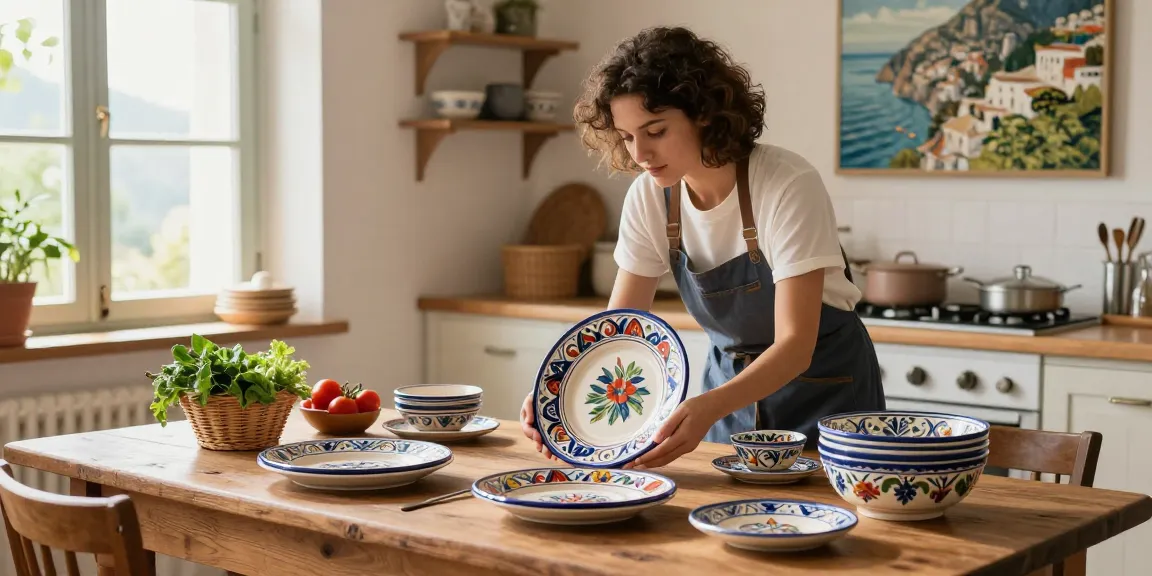
The Allure of Italian Ceramics
Italian ceramics are not merely functional items; they embody a rich tapestry of culture, history, and artistry that resonates with enthusiasts worldwide. Renowned for their vibrancy, durability, and intricate designs, these ceramics come from various regions in Italy, each boasting its unique techniques and traditions. When exploring options, Italian Ceramics offer a glimpse into the craftsmanship that has been honed over generations, making them an essential addition to any collection or home.
What Makes Italian Ceramics Unique?
At the forefront of what makes Italian ceramics unique is the meticulous craftsmanship involved in their creation. Italian artisans employ age-old techniques that combine traditional methods with modern design aesthetics. Each piece is often hand-painted, ensuring that no two items are exactly alike. This individuality is a crucial selling point for collectors and decorators alike. Furthermore, many Italian ceramics are produced using local materials, often fired in wood-burning kilns, which adds depth to their colors and patterns.
The History of Italian Ceramics Craftsmanship
The history of Italian ceramics dates back to ancient times, with the earliest examples found as far back as the Etruscan civilization. This lineage has evolved through the centuries, significantly influenced by design movements such as the Renaissance. Renowned regions like Deruta, Faenza, and Amalfi have established themselves as hubs of ceramic production, each contributing distinct styles and techniques that reflect their local culture and environment. For instance, Deruta is famous for its colorful majolica ware, characterized by intricate designs and a unique glazing technique that enhances its vibrancy.
Understanding Different Styles and Techniques
Italian ceramics encompass a wide range of styles, from the rustic charm of terracotta to the delicate beauty of porcelain. The most recognized technique is majolica, where tin-glazed earthenware is hand-painted with intricate motifs. Other techniques include stoneware, often used for functional items like dinnerware, and Raku, known for its distinctive firing process that produces unique, crackled finishes. Understanding these distinctions is essential for anyone looking to invest in or appreciate Italian ceramics fully.
Exploring Deruta Ceramics
Deruta ceramics are synonymous with intricate artistry and vibrant colors, making them a standout among Italian ceramics. The region’s artisans have perfected their craft over centuries, creating pieces that reflect both traditional and contemporary designs. Deruta’s uniqueness lies not only in its visual appeal but also in its cultural significance, rooted in centuries of Italian heritage.
The Origin and Significance of Deruta
Deruta, located in the Umbria region of Italy, has been a center of ceramic production since the Renaissance. The town’s geographical position in a region rich in clay deposits enabled artisans to develop their craft extensively. The significance of Deruta ceramics transcends mere aesthetics; they represent a cultural identity and continuity, where artisans use techniques passed down through generations.
Popular Deruta Patterns and their Meanings
Several iconic patterns are synonymous with Deruta ceramics, each rich in history and symbolism. For instance, the “Ricco” pattern, meaning “rich,” embodies opulence with its golden accents and intricate designs. The “Raffaellesco” pattern, featuring the iconic dragon, represents strength and protection, making it a popular choice for decorative and functional pieces alike. Understanding these patterns not only enhances appreciation but also aids collectors in identifying authentic Deruta pieces.
How to Care for Deruta Ceramics
Caring for Deruta ceramics requires attention to detail to maintain their beauty over time. It is advisable to hand wash these items with a mild detergent and avoid using abrasive cleaners that may scratch their surface. Additionally, while many pieces are microwave and dishwasher safe, temperatures should be moderated to prevent thermal shock. Regularly applying a food-safe mineral oil can help preserve the luster of the glaze and keep the ceramics looking fresh.
Incorporating Italian Ceramics into Your Home
Integrating Italian ceramics into home decor not only enhances aesthetic appeal but also adds a touch of Italy’s rich culture to your living space. From elegant dining settings to vibrant decorative centerpieces, the possibilities are vast.
Decor Ideas with Italian Ceramics
- Table Settings: Use ornate Deruta dinner plates and serving dishes during family gatherings or dinner parties to impress guests and elevate dining experiences.
- Wall Art: Hang decorative tiles or plates on walls as stunning art pieces that provide a focal point in any room.
- Centerpieces: Fill large bowls with seasonal fruits or flowers in vibrant colors, showcasing the beauty of the ceramics.
Using Ceramics for Entertaining Guests
Italian ceramics can be both functional and stylish when entertaining guests. Serving food on handcrafted platters or using colorful bowls for appetizers can create a vibrant atmosphere. Additionally, uniquely designed wine coolers or carafes can enhance the overall presentation while showcasing the craftsmanship of Italian ceramics.
Stylish Display Techniques for Your Collections
To showcase Italian ceramics, consider open shelving or dedicated display cabinets where light can highlight the vibrant colors and designs. Mixing ceramics with other decorative elements, such as glass or wood, can create visual interest. Incorporating plants or flowers alongside ceramics can also soften the look and add a natural element to your decor.
Customer Experiences with Italian Ceramics
Customer satisfaction is often a vital indicator of the quality and impact of products on daily living. Many who have incorporated Italian ceramics into their homes share enriching experiences that highlight both the beauty and functionality of these items.
Real Stories from Satisfied Customers
Many customers proclaim the transformative effect that Italian ceramics have had on their dining experiences. For example, one customer recounted how the elegance of Deruta pieces sparked conversations during dinner parties, making every meal feel special. These testimonials underscore the emotional connection that people build with such handcrafted items.
Unboxing Experiences and First Impressions
The anticipation of unboxing a set of Italian ceramics is often met with delight. Customers frequently share videos capturing the moment they unveil their new dishes, showcasing the craftsmanship and detail that is evident in every piece. The beauty of seeing these items in person often exceeds their expectations, solidifying their appreciation for Italian artistry.
How Italian Ceramics Enhance Daily Living
In everyday scenarios, the use of Italian ceramics can enhance routine activities. For instance, starting the day with a cup of coffee from a beautifully crafted mug not only boosts aesthetics but also enriches the experience. Customers often relay that these ceramics have become cherished heirlooms, passed down through generations while still being utilized in everyday life.
Future Trends in Italian Ceramics (2026 and Beyond)
The world of Italian ceramics is continuously evolving, with new trends emerging that reflect modern sensibilities while honoring traditional craftsmanship. As we look to the future, certain innovations and movements are shaping the landscape of this beloved art form.
Emerging Designs and Innovations
In 2026, we expect to see a blend of traditional motifs with minimalist designs that cater to contemporary tastes. Artisans are experimenting with color palettes and forms, creating pieces that balance modern aesthetics with classic Italian craftsmanship. The use of mixed materials is also being explored, merging ceramics with metals and glass for versatile pieces.
Eco-Friendly Practices in Ceramics Production
As sustainability becomes increasingly important, many producers are incorporating eco-friendly practices into their production processes. This includes sourcing local materials, utilizing renewable energy sources for firing kilns, and ensuring that glazes are non-toxic. Such practices not only protect the environment but also appeal to consumers who value ethical sourcing.
Anticipating the Next Collectibles in Italian Ceramics
Collectors and enthusiasts are always on the lookout for the next trend-worthy items in the ceramic world. Emerging artisans are gaining recognition, often leading to new collectible pieces that reflect the current zeitgeist. As these trends unfold, they promise to keep the legacy of Italian ceramics vibrant and relevant in today’s market.
What are the best ways to care for Italian Ceramics?
To preserve the beauty and integrity of Italian ceramics, hand washing is often recommended, along with avoiding harsh detergents. Regular maintenance such as inspecting for chips or cracks can also ensure longevity.
Where can I find authentic Italian Ceramics?
Authentic Italian ceramics can be sourced from reputable retailers specializing in artisanal products. Online platforms that focus on quality craftsmanship often provide a curated selection, ensuring authenticity.
What are popular trends in Italian Ceramics in 2026?
In 2026, a blend of traditional craftsmanship with modern aesthetics, eco-friendly practices, and the rise of new artisans will drive the trends in Italian ceramics.
How can I incorporate Italian Ceramics into my home decor?
Integrating Italian ceramics into decor can be achieved through thoughtful placements in dining settings, as decorative wall art, or as functional kitchenware that doubles as decor.
What makes Deruta ceramics stand out from other types?
Deruta ceramics are distinguished by their unique glazing, vibrant colors, and intricate hand-painted designs that not only serve functional purposes but also act as stunning decorative pieces.
